

When should you install a central water filtration system, and why would you need one? A central filtration system is an effective way to secure the high-quality drinking water a household needs. This article looks in detail at the benefits of a whole-house Water Purifier, and offers suggestions tailored to the different needs of village houses and detached homes.
The main benefits of a central filtration system
1. Higher-quality water
A whole-house filtration system filters impurities and contaminants out of the water, providing a cleaner supply. That covers not just drinking water but cooking, washing vegetables, bathing, cleaning and laundry.
2. Better-tasting water
Filtration removes chlorine and other off-notes, leaving water fresher and more pleasant. This matters especially to anyone sensitive to the taste of water.
3. Removing odours and off-tastes
If your tap water smells fishy or of chlorine, it may be a sign of bacteria or other contaminants. A whole-house system effectively removes these odours and off-tastes, giving a fresher supply.

4. Filtering harmful contaminants
A whole-house or central filtration system helps improve certain impurities, sediment and odours in the water; if dissolved substances such as pesticides or heavy metals are a concern, pair it with point-of-use RO filtration, and consult water test results first.
5. Longer-lasting pipes and appliances
Unfiltered water carries sediment, chlorine and heavy metals that build up in household pipes and appliances and cause damage. A whole-house system removes these, extending the life of both.
6. Less corrosion
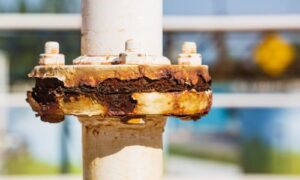
Rust and corrosion in external pipework can affect health and damage appliances and fittings. A whole-house system reduces these problems, protecting the household and the property.
Whole-house filtration for different home types
Village house filtration
Village houses tend to sit in rural areas. Most receive mains water from the Water Supplies Department, but some still draw on well water, which deserves attention. Well water can carry more sediment and contaminants, so a stronger filtration set-up is needed.
Suggestions:
- Whole-house filtration: install a central system first, then a separate filter in the kitchen.
- Regular maintenance: with a less stable source, check and replace cartridges regularly.
Detached house filtration
Detached houses usually have more space and a lot of pipework. A central filtration system helps secure water quality throughout the house and does more to extend the life of household appliances.
Suggestions:
- Whole-house filtration: install a central system first, then separate filters in individual rooms as needed.
- Shower filter: purifies the water and spares skin the irritation of residual chlorine.

The Water Supplies Department's advice
According to the Water Supplies Department, Hong Kong's drinking water is rigorously treated and disinfected, fully meets the World Health Organization's drinking-water quality guidelines, and is safe to drink. Some common water-quality questions and their answers:
- Chlorine smell: drinking water may carry a trace of residual chlorine, kept there to preserve hygiene in transit. Residual chlorine is harmless, but if the smell bothers you, boil the water or let it stand a while before drinking.
- Earthy taste: an earthy taste usually comes from 2-methyl isoborneol (2-MIB), which derives from natural organic matter and is harmless to health.
- Cloudiness: cloudy-looking water is mainly a cosmetic issue, most often caused by a building supply system that lacks regular repair and maintenance.
- Reddish-brown sediment and metallic taste: this can come from ageing pipes or the supply system and contains traces of iron oxide (rust), but not enough to pose a health risk.
Further Reading:Water Supplies Department — water quality — tips on using dispensers and filters
Closing thoughts
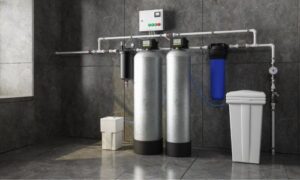
Choosing the right whole-house filtration system is an important investment in your home. By understanding the different system types, what each cartridge does, and your actual usage, you can pick the right solution for your family. Regular maintenance and cartridge replacement matter just as much — that is what keeps the water safe and healthy over the long term. Finally, to repeat the point: the type and quality of the cartridges matter more than the type of filter unit, because they directly determine how much the water improves.
If the focus is central or whole-house pre-filtration, the Bio-Link UF1010 is the main reference model for this scenario; if you also need an under-sink RO or countertop drinking water set-up, compare the RO838 or DT400 against your space and daily habits.
- UF1010: a central or whole-house UF filtration system, suited to village houses, detached homes or residences that need pre-filtration planning; installation conditions, water pressure, pipework and maintenance should be assessed by a professional first.
- RO838: a household RO reverse osmosis filtration system for families who want an under-sink RO setup; ask Bio-Link about installation conditions, cartridge replacement and specifications.
- DT400: tabletop instant-hot water dispenser; filtration can be added as needed. Suitable for homes or small spaces that want to keep a flexible countertop setup.
Why choose Bio-Link?
Bio-Link (霸力純水濾水系統) is one of Hong Kong and Macau's longest-established reverse-osmosis (RO) drinking-water specialists, operating since 1997 — nearly three decades focused almost entirely on RO. We supply, install and maintain direct-piped RO and UF drinking-water systems for homes, offices, schools, clinics, restaurants and hotels across Hong Kong and Macau, with one company handling supply, installation and maintenance end to end, to buy or to rent, with clear costs. Our full filtration line is SGS-tested and designated models meet NSF 42 & 58; Bio-Link is a certified Social Enterprise (HKCSS / SEE Mark SEE0195). Bio-Link provides water filter and water dispenser solutions for businesses and households of all sizes.
Further Reading:UF1010 central water filter.
Frequently asked questions
Which homes suit a central filtration system?
Central or whole-house systems are most common in village houses, detached homes or settings that need pre-filtration planning; it still depends on water pressure, pipework and where the unit can go.
How do the UF1010, RO838 and DT400 differ?
The UF1010 leans towards central or whole-house pre-filtration; the RO838 is an under-sink RO solution; the DT400 is a countertop hot-and-cold set-up. The three serve different purposes.
What should be done before installing a central filtration system?
Confirm the home's supply route, installation space, water pressure, pipework and maintenance arrangements first, then have a professional assess the right solution.
Related Further Reading
If you need home filtration equipment, see home water filter solutions; for F&B or commercial settings, you can also see Restaurant Water Filtration Systems.
Central or pre-filtration also extends to commercial settings, for example Restaurant Water Filtration Systems,Hotel Water Filtration System and campus drinking water facilities.